Summary
Best for: Busy people who want structured workouts, reminders, and simple tracking
What you get: On-demand classes, progressive plans, habit prompts, form cues, progress dashboards
Works when: Training consistently, lift 2 to 4 days weekly, and follow a realistic nutrition plan
Watch out for: Overhyped claims, poor strength progressions, long contracts, upsells
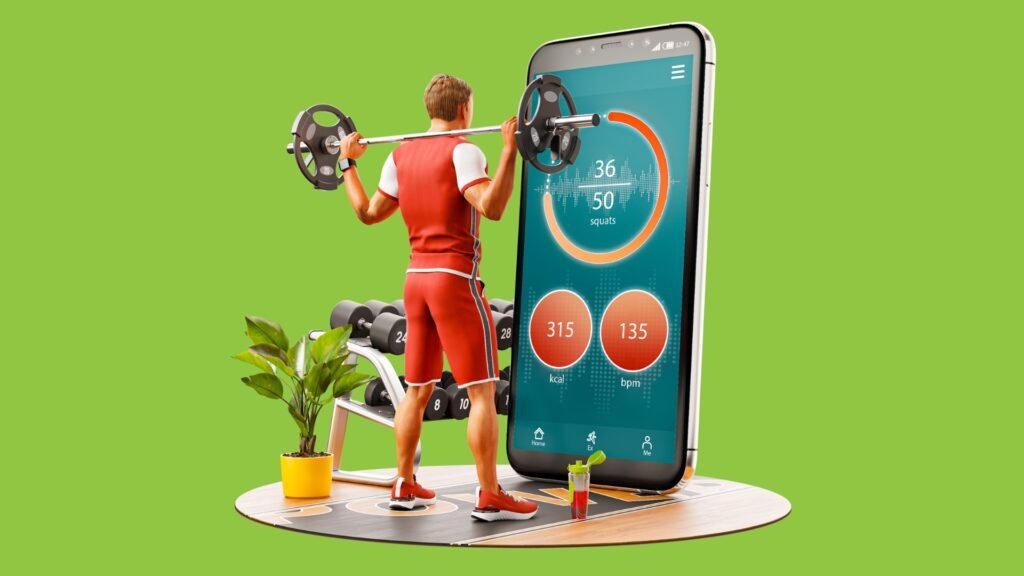
What Counts as a “Fitness App” or Digital Program
1. Streaming workout libraries you can follow at home or in the gym
2. Guided plans that progress week by week, with built-in recovery
3. Mobile coaching tools that add habit tracking, reminders, and coach messaging
4. Connected equipment apps that pair with wearables or home devices
Cross-Over Apps, Fitness Plus Nutrition
In addition to workouts, several fitness apps also handle calorie and food logging, which helps improve consistency. As a result, they make it easier to connect your daily activity with your nutrition habits. Moreover, if you prefer one hub for both movement and nutrition, start here, then link out to our full Calorie-Tracking guide. For example, top options include MyFitnessPal, Lose It, Cronometer, and Noom.
Smart Equipment That Keeps You Moving
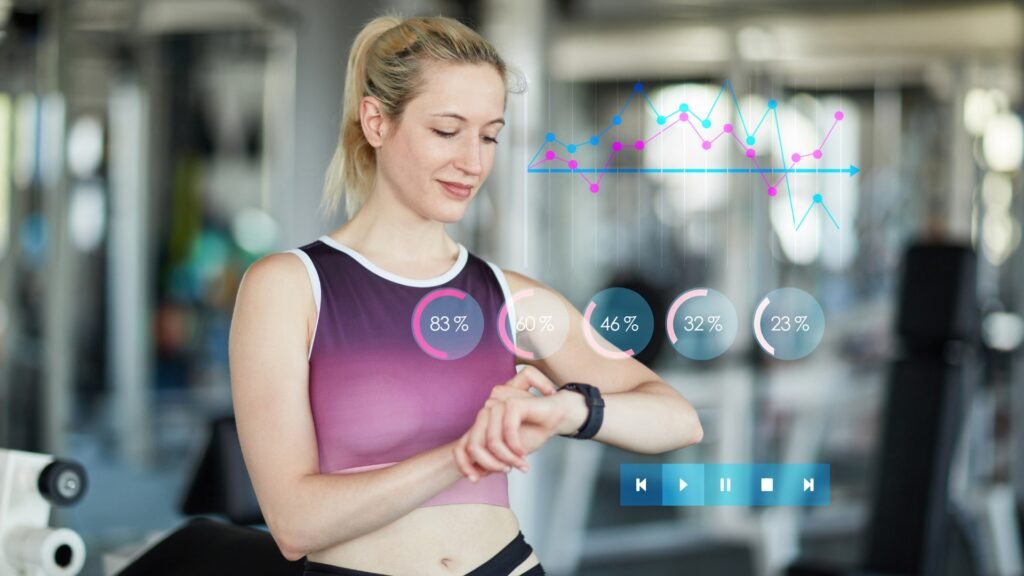
Systems like these are more than an app; they combine hardware, coaching software, and form feedback. They fit well in Exercise Solutions for readers who want a guided strength setup at home.
Tonal, a wall-mounted digital weight trainer with AI-assisted programming, real-time form cues, and expanded resistance on Tonal 2. Expect a membership commitment and a premium price, in exchange for an integrated strength platform.
- Tonal 2 increases digital resistance to a published 250-pound max and adds an upgraded camera for live form analysis.
- Membership is required, listed as a 12-month commitment at about 60 dollars per month, which unlocks the training library and adaptive features.
Tempo Studio and Move, freestanding or compact systems with color-coded plates, camera-based weight recognition, and virtual personal training plans. After equipment is paid off, the ongoing training membership is shown as about 39 dollars per month.
- Studio Suite includes a 42-inch touchscreen, barbell, bench, and up to 165 pounds of plates, with virtual training included during the first year, then membership continues month-to-month.
- Move is a smaller cabinet plus plates, iPhone-enabled, with similar membership terms and real-time weight recognition.
How to decide between apps and smart equipment
Choose smart equipment if you value built-in progression, form feedback, and a tidy footprint, and you are comfortable with a monthly membership tied to the hardware. Choose app-only if you prefer lower costs, travel-friendly plans, and flexible equipment choices. Our Home Exercise Equipment article walks through space, budget, and recovery planning.
Do Digital Programs Help With Weight Loss
Yes, results are modest and depend on habits. In fact, recent reviews show that smartphone and web-based weight-management apps produce small but meaningful reductions in weight and BMI over four to six months. In addition, success is strongest when behavior tools like goal setting, prompts, and feedback are included. However, effects often decline after six months without continued support.
Programs that add human support—for example, coaching or hybrid guidance—usually outperform self-directed app use for adherence and results. As a result, we recommend plans that build accountability into the process.
If your primary goal is getting stronger, supervised strength training still beats app-only or self-guided plans for strength, body composition, and well-being markers. Pair clear progressions with accountability, digital or in person.
Remote, supervised exercise via telehealth shows good safety and can improve activity and function in targeted groups, a promising option for at-home coaching.
Pros And Cons
Pros
- Convenience, you can train anytime
- Structure, follow a plan rather than guessing
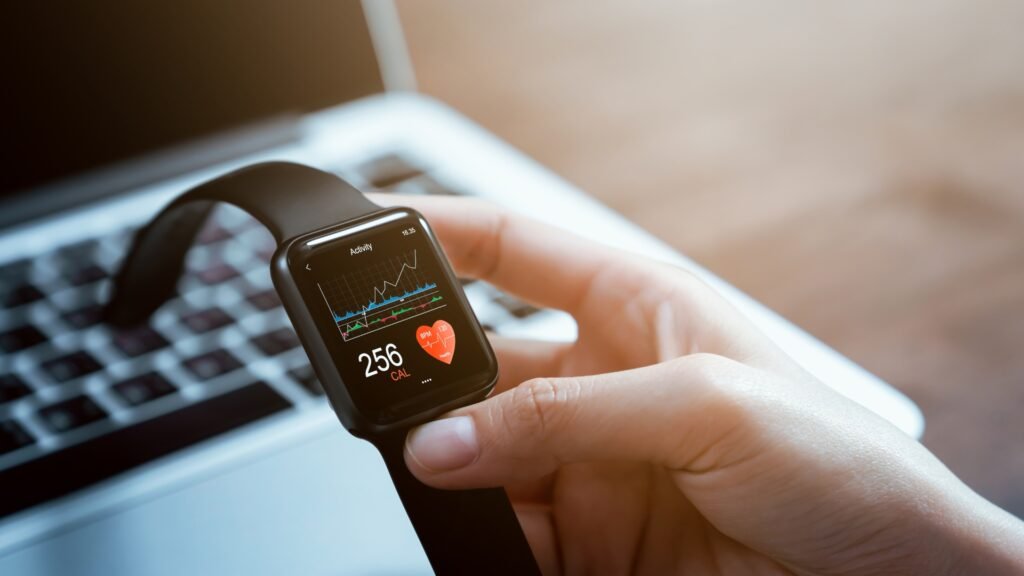
- Tracking, easy logs for workouts, steps, and habits
- Cost, many options cost less than in-person training
Cons
Contracts and upsells can inflate long-term cost
Quality varies, some plans lack real progression
Limited feedback on form without true coaching
Engagement can fade after 8 to 12 weeks
How We Evaluate Apps And Digital Programs
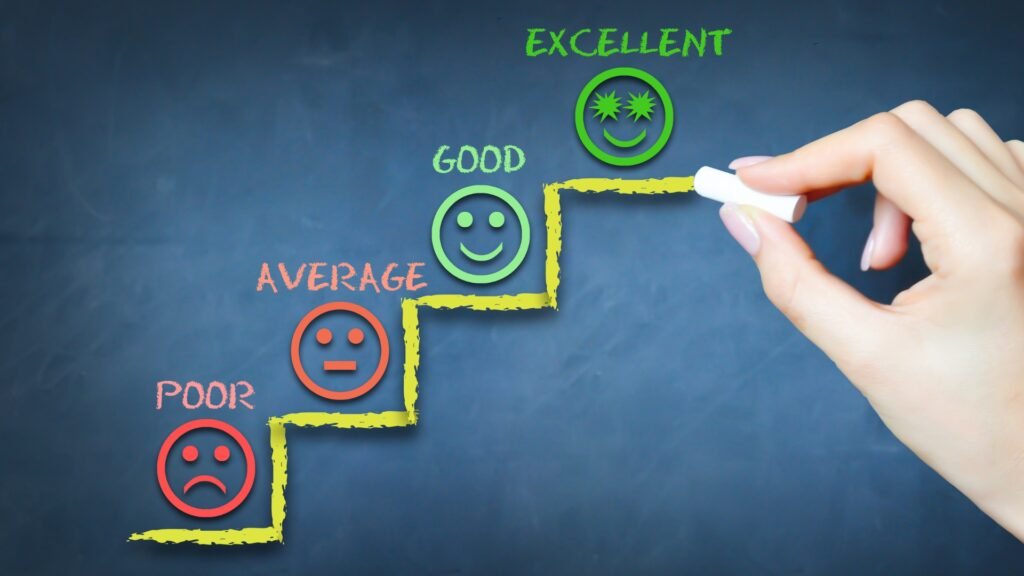
We score each product across eight areas, 1 to 5 each.
1. Programming quality, real progressions for strength, cardio, and mobility
2. Coaching model, none, group, or 1-to-1, responsiveness and clarity
3. Personalization, adapts to schedule, equipment, injuries, and goals
4. Strength bias, prioritizes progressive resistance to protect muscle
5. Nutrition support, realistic guidance, food logging, or habit-based tools
6. Progress tracking, PRs, volume, adherence, and recovery indicators
7. Cost transparency, pricing, trials, cancellations, and refunds
8. Privacy and data use, clear policies, minimal data sharing
Add These Comparison Columns To Your Tables:
1. Nutrition integration, none, basic logging, behavior-based coaching
2. Data flow with wearables, none, one-way sync, two-way sync
Scoring guide:
- 36 to 40, excellent fit for most users
- 28 to 35, good with minor gaps
- 20 to 27, niche or needs careful use
- Under 20, not recommended
Price and Value, Typical Ranges
- Streaming libraries: 10 to 30 dollars per month
- Guided plans with check-ins: 15 to 60 dollars per month
- 1-to-1 remote coaching: 80 to 300 dollars per month
- Smart equipment ecosystems: hardware purchase or bundles plus a recurring membership, for example Tonal lists a required membership near 60 dollars per month, Tempo shows training membership near 39 dollars per month after the first year. Confirm current pricing and terms before purchase.
Pick the lowest tier that still gives you a progressive plan, form guidance, and weekly accountability.
How To Choose The Right Option
Say yes to at least 6 of these 8:
Positive user reviews on adherence, not just before-after photos
Clear, progressive strength plan, full body 2 to 4 days per week
Cardio guidance that fits your schedule, short sessions are fine
Built-in deloads and mobility for recovery
Nutrition support you will follow, simple beats perfect
Honest results claims, no “rapid fat loss” hype
Easy cancellation, no surprise renewals
Works with your equipment, from bodyweight to dumbbells, or smart hardware you will use
How To Get Real Results With Any App
- Anchor your week around strength. Two to four full-body sessions covering squat, hinge, push, pull, and carry patterns.
- Walk most days. Short walks add up, especially on non-lifting days.
- Track one controllable. Reps, sets, or calories, pick one and be consistent.
- Progress gradually. Add a little weight or a rep each week, small wins compound.
- Use reminders wisely. Keep notifications that help, silence the rest.
- Reassess every 8 to 12 weeks. Keep what works, drop what does not.
Who Is This Best For
- Beginners who want structure without the gym
- Busy professionals who need short, guided sessions
- At-home lifters with limited equipment
- Returning exercisers who need momentum and accountability
Who should look elsewhere
- Lifters chasing maximal strength or advanced technique, consider in-person coaching
- Anyone who struggles to stay engaged without live check-ins, prioritize programs with human coaching
FAQs
Do I need a coach or will an app be enough
If you are new to lifting or rehabbing an injury, a coach can speed progress. For general fat loss and basic strength, a solid plan plus consistent tracking works, adding coach support if you stall. Evidence favors coaching or hybrid guidance over pure self-directed apps.
Are streaming classes enough for fat loss
They will help with consistency and calorie burn, but fat loss comes from a sustainable calorie deficit and progressive strength to protect muscle. If you want simple nutrition support while you train, start with our Calorie Tracking and Food Logging guide.
Where do Tonal and Tempo fit
They sit at the intersection of hardware and coaching, great for people who want guided strength with built-in feedback and are comfortable with memberships. For space, budget, and setup tips see Home Exercise Equipment, Smart Equipment That Keeps You Moving.
Citations For Key Claims
📖 These apps support modest weight and BMI reductions over 4–6 months, strongest with behavior-change features. – (JMIR)
📖 Coaching or hybrid guidance can outperform self-directed app use on adherence and outcomes – (ScienceDirect)
📖 Supervised strength training outperforms app-only or self-guided training for strength, body composition, and well-being – (NSCA)
📖 Telehealth exercise shows good safety and functional benefits in targeted groups – (PMC)
Conclusion
Technology can speed progress. However, lasting results still come from consistent strength work, simple nutrition, and repeatable habits. To begin, pick a program that fits your schedule, lift two to four days a week, and walk most days. In addition, plan recovery weeks so you keep moving forward. Finally, track one controllable—such as reps or calories—and review your progress every eight to twelve weeks.
If you want one hub for both training and nutrition, see our Calorie Tracking and Food Logging guide. Alternatively, if you prefer guided hardware with form feedback, visit the Smart Equipment That Keeps You Moving section in our Home Exercise Equipment guide. Finally, start with the smallest step you can repeat today, and build momentum through clear, steady progress.
Please help us by sharing on your favorite Social Media







Ready to Get Started?
See our: Fitness Apps and Digital Program Options
Fitness apps and digital programs make staying active more convenient and consistent. These tools combine expert-led instruction, progress tracking, and real-time feedback to help you build structure and accountability. In our Fitness Apps and Digital Programs category, you’ll find evidence-based options designed to guide every step of your journey, whether you’re working out at home, in the gym, or on the go.