Protein powders have become staple supplements for fitness enthusiasts, those looking to lose weight, and individuals of all lifestyles seeking to support overall health. But with a crowded market and many claims, knowing which brands and types truly deliver value and understanding their health impacts is vital. Here’s your science-backed, user-friendly primer.
Top Protein Powder Brands in 2025
1. Optimum Nutrition Gold Standard 100% Whey
- Globally recognized and one of the most popular whey powders available
- Often praised for its clean ingredient list, wide flavor range, and NSF/Informed-Choice certifications
- Offers ~24 g protein per scoop and blends well, ideal for shakes, smoothies, or baking
2. Transparent Labs Grass-Fed Whey Isolate
- Known for sourcing premium grass-fed whey with no artificial sweeteners.
- Featured in WIRED’s “Best Whey Isolate” for high protein-to-calorie ratio and purity
3. Orgain Organic Plant-Based Protein
- A top-selling organic vegan protein, partially backed by a majority investment by Nestlé Health Science in 2022
- Hailed for its full amino acid blend, fiber content, and USDA-organic certification
4. Vega Protein with Greens
- A plant-based staple using pea protein, mixed with greens, non-GMO and vegan certified
- Research shows pea vs. whey yields similar strength gains over 8 weeks
5. Dymatize ISO100 Hydrolyzed Whey
Ultra-filtered for fast absorption and excellent flavor profiles; popular among dieters and athletes
What the Science Says: Benefits of Protein Powders
Protein powders aren’t just muscle fuel, they’re backed by extensive studies showing their potential health benefits:
1. Muscle Growth & Recovery
Whey protein is classified as a “complete protein,” containing all nine essential amino acids, including leucine, which optimizes muscle protein synthesis. Users combining whey with resistance training see measurable improvements in lean mass and strength – (MDPI)
2. Weight Management & Satiety
High-protein diets lead to increased fullness and improved metabolic rates. Whey satisfies hunger better than carbs or fats, aiding weight loss. Clinical reviews show whey supplementation supports fat loss, especially with regular workouts – (BioMed Central)
3. Blood Pressure & Heart Health
Whey’s bioactive peptides may modestly reduce systolic blood pressure studies show >30 g/day over 10 weeks lowered levels in overweight hypertensive people – (Healthline)
4. Blood Sugar Control
Whey slows post-meal glucose spikes, improves insulin activity, and may aid type 2 diabetics when sugar-free powders are used – (American Journal of Clinical Nutrition)
5. Anti-inflammatory & Antioxidant Effects
Whey’s specific proteins and glutathione-boosting effects may reduce inflammation markers like IL‑6 and CRP have been lowered in trials
6. Gut & Immune Health
Components in whey modulate immune response and support microbiome health though high-protein diets may affect gut flora, more long-term human trials are needed – (ASM Journals)
Safety & Quality: What to Watch Out For
While the benefits are real, precautions are important:
Heavy Metals & Contaminants
An FDA AHA study flagged heavy metals (lead, cadmium, arsenic, mercury), BPA, and pesticides in some powders, especially plant-based ones
Contaminated or Mislabeled Supplements
An Indian study found some powders had lower than labeled protein, aflatoxins, heavy metals, pesticides, and amino-spiking
Kidney and Liver Considerations
High protein intake increases kidney filtration; most healthy individuals tolerate it, but those with preexisting conditions should consult a doctor.
Digestive Discomfort
Some users report bloating or gas commonly due to lactose in whey concentrate or gums in plant powders.
Bottom Line:
Choose NSF/Informed-Choice/Certified Sport-labeled powders that undergo third-party testing. Read independent clean-label analyses and prefer transparent brands with minimal additives.
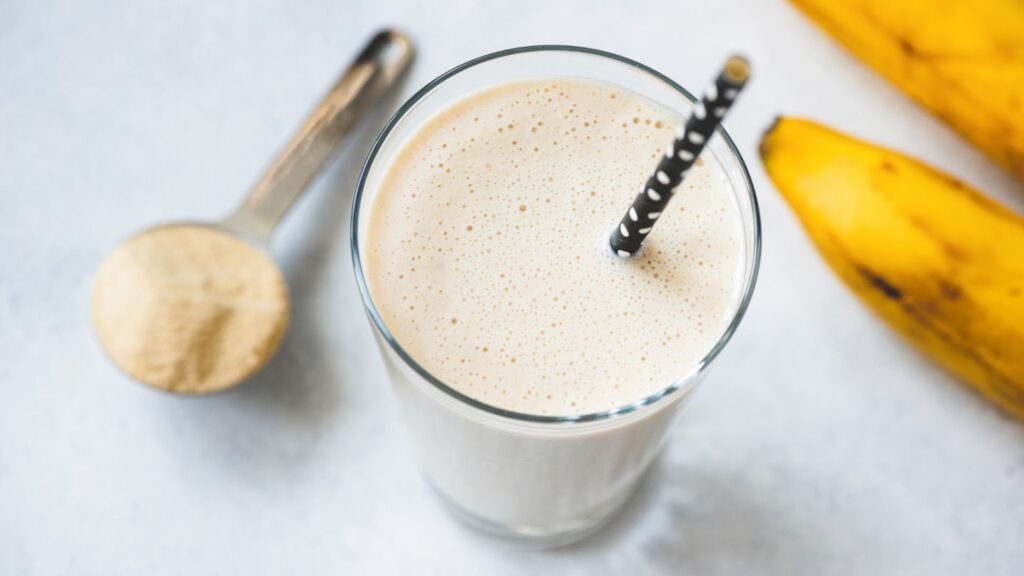
Protein Powder Types Explained
1. Whey Protein
- Concentrate (WPC): ~80% protein, contains lactose and fats, economical & nutrient-rich
- Isolate (WPI): >90% protein, lower carbs/lactose ideal for lactose-sensitive users
- Hydrolysate (WPH): Pre-digested, fastest absorption, slightly more expensive
2. Casein
Slow-digesting (most popular: Gold Standard Casein), favored for nighttime recovery and muscle synthesis.
3. Plant-Based (Pea, Rice, Hemp, Soy)
Great for vegan/vegetarian needs. Pea protein often matches whey in muscle growth studies, especially when blended with rice. May carry more heavy metals, third-party screening crucial.
4. Egg White
High-quality animal-based alternative, lactose-free, though less common and often more expensive.
5. Collagen Peptides
Not a complete protein low in leucine and essential amino acids. Popular for skin, bone, joint benefits but additional protein sources may be needed for muscle goals.
How to Choose the Right Powder
Here’s a quick checklist:
1. Your Goal:
- Muscle growth – whey isolate/hydrolysate, 20–30 g per serving
- Weight loss – low-calorie whey or plant-based powders with low added sugars
- Vegan or lactose-intolerant – pea/rice blends or isolate
2. Quality & Transparency:
- Choose third-party tested, minimally processed powders
- Avoid unspecified proprietary blends and hidden additives (e.g. gums, sugar alcohols)
3. Ingredient Profile:
- Check for sugar, artificial sweeteners, heavy fillers, and flavor additives
4. Certifications:
- NSF Certified for Sport, Informed-Choice, Non-GMO Project, USDA Organic, etc.
5. Price per Serving:
Compare serving sizes – bulk whey concentrates often provide best value
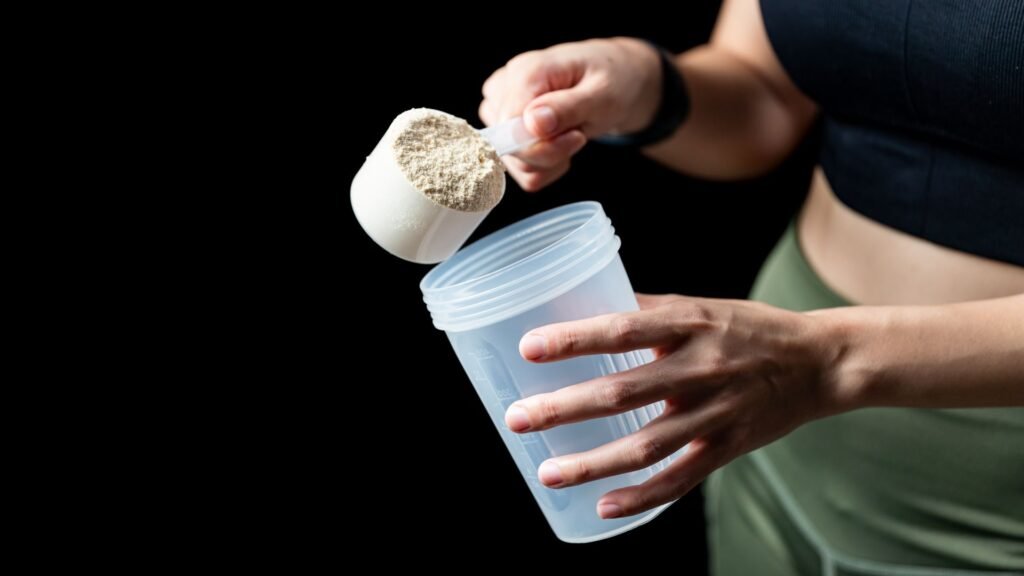
DIY: Using Protein Powder for Weight Loss
- Breakfast boost: Blend 1 scoop of whey isolate with spinach, berries, and water for ~150–200 calories
- Coffee protein hack: Mix 20 g protein into your morning brew to hit early-day protein goals
- Snack smart: Protein-rich snacks help reduce cravings and maintain satiety
- Meal replacement caution: Powders shouldn’t replace whole-food meals but fit into a balanced diet
Final Takeaway
Protein powders are a convenient and effective way to support muscle repair, weight management, metabolic health and more, provided you choose high-quality, thoroughly tested products. Here’s a quick recap:
| Type | Best Use | Key Picks |
| Whey Isolate/Hydrolysate | Post-workout recovery | Optimum Nutrition Gold Standard, Transparent Labs |
| Plant-Based (Pea/Rice) | Vegan-friendly, allergen-free | Orgain, Vega |
| Casein | Overnight muscle repair | Optimum Casein |
| Hydrolyzed Whey | Fastest absorption | Dymatize ISO100 |
| Collagen | Joint/skin support | Vital Proteins |
Please help us by sharing on your favorite Social Media







Ready to Get Started?
See our: Protein Powder Solutions
Protein is essential for building muscle, supporting recovery, and keeping you feeling full, especially when you’re working toward weight loss. Our Protein Powder selection features high-quality, great-tasting options that fit a variety of dietary needs and weight loss goals.