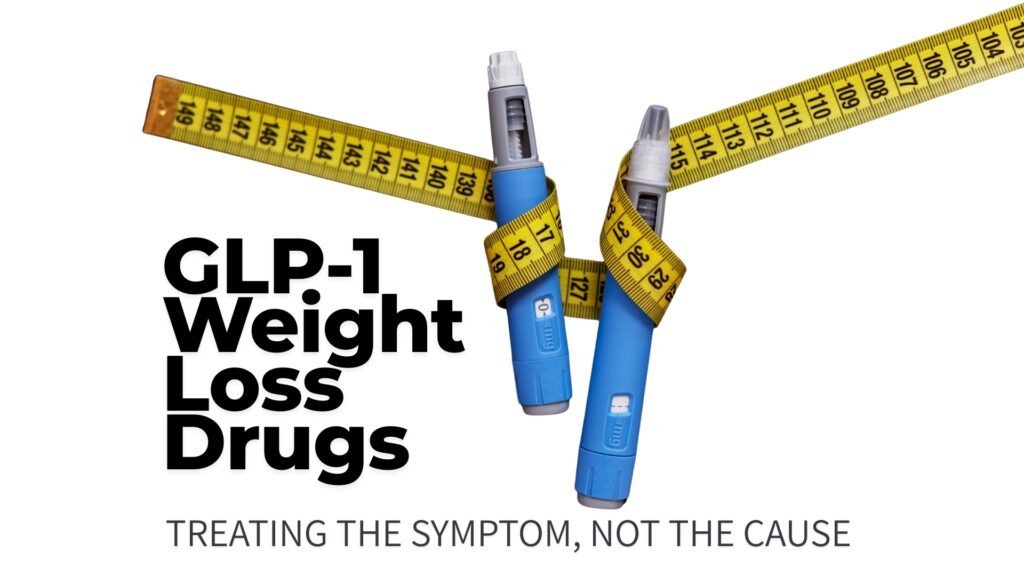
In the race for fast results, GLP-1 weight-loss drugs like Ozempic (semaglutide for type 2 diabetes) and Wegovy (semaglutide 2.4 mg for obesity) have exploded in popularity. They can powerfully quiet appetite and help people eat less, often a welcome relief when hunger feels relentless. But hunger control is the symptom, not the root cause. Without addressing the behaviors that drive overeating (food environment, habits, coping, sleep, activity), medication becomes a pause button: weight usually returns when the drug stops, and long-term body composition can get worse if muscle is lost along the way. That’s the trap we want to help you avoid.
Below, we unpack true costs, muscle loss, the yo-yo effect, and, most importantly, what to do if you decide to use a GLP-1 so your investment moves you forward, not backward.
The Price Tag No One Calculates Out Loud
Retail pricing for these drugs is high. Publicly listed figures show Ozempic’s list price just around $997.58 per pen (actual monthly out-of-pocket varies by dose and coverage). Wegovy’s average retail price is commonly listed above $1,300–$1,600 per month, though manufacturers periodically float promotional cash options (e.g., limited $299 for the first month then $499/month, processed outside insurance). Real-world costs depend on supply, insurance rules, and pharmacy benefit design.
The 10-Year Math:
$1,000/month: – $120,000 over a decade.
$1,350/month: – $162,000 over a decade.
$499/month promo: – $59,880 over a decade. (if sustained, which is unlikely long-term).
Even if prices drift down, the big question persists: Can you (or should you) pay indefinitely for an appetite suppressant? Because the biology is clear: stop the drug, and weight usually comes back unless habits change.
What These Drugs Actually Do (and Don’t)
GLP-1s reduce appetite and slow gastric emptying; Tirzepatide (Mounjaro/Zepbound) also stimulates GIP receptors, further amplifying appetite suppression. You eat less, that’s the mechanism. But they don’t teach portioning, change your pantry, build cooking skills, or program your calendar with training sessions. When the prescription ends, your old environment and habits are still there.
That’s why discontinuation data matter:
- Semaglutide STOP data (STEP-1 extension): After stopping, participants regained about two-thirds of the weight they had lost within a year; net loss from the original baseline shrank from ~17% to ~6%.
- Tirzepatide maintenance vs withdrawal (SURMOUNT-4): Those who continued therapy maintained/augmented their loss; those who withdrew saw substantial regain. Same lesson: without an ongoing strategy, weight returns.
These trials don’t say the drugs “don’t work.” They say they work while you’re on them—and you need a plan for when you’re not.
The Hidden Cost: Muscle Loss During Rapid Weight Loss
Scale weight isn’t just fat; it’s fat + water + lean mass (muscle). In the STEP-1 body-composition sub-study, semaglutide users lost fat mass substantially, good news, but also lost lean mass in absolute terms. Estimates vary by method and population, but peer-reviewed analyses report ~15 lb (~7 kg) lean mass reduction (~13% lean mass) alongside ~33 lb (~15 kg) total weight loss, and reviews highlight wide ranges across studies where 15% up to 40–60% of total weight lost can be lean in some cohorts. Losing muscle lowers resting metabolic rate, weakens functional capacity, and raises regain risk.
1. Muscle loss isn’t unique to GLP-1s, it happens with most rapid weight-loss methods, but appetite-suppressant-driven calorie cuts can accelerate it if protein is low and resistance training is absent.
2. Protecting muscle is non-negotiable if you want a metabolism that keeps weight off.

Rapid Weight Loss: Why Fast Isn’t Better
Across obesity research and clinical guidance, rapid drops tend to raise risks you don’t want:
1. Gallstones: Rapid weight loss and very-low-calorie diets increase gallstone formation, leading to pain, ER visits, and surgery in some cases. National and peer-reviewed sources are blunt: slower loss reduces risk.
2. More lean mass lost: The faster the pace, the harder it is to hit protein targets and maintain strength training; more loss comes from muscle versus fat. (See STEP-1 composition data above).
3. Weight cycling (“yo-yo dieting”): Repeated loss-regain cycles are linked with worse cardiometabolic profiles and higher risks over time. While research is mixed in places, multiple reviews flag concerning associations with blood pressure, lipids, insulin, and diabetes risk.
Bottom line: Fast loss looks impressive on a graph; sustainable loss looks better on your lab work and your life.
If You Do Choose Ozempic/Wegovy: How to Make It a Step Forward
Medications can be useful tools, especially for those with significant metabolic disease or longstanding obesity, if you use the time on-drug to build the habits that keep results once you taper. Here’s what that looks like in practice:
1. Lock in Protein (to keep muscle)
- Target ~0.7–1.0 g/lb/day of protein (~1.6–2.2 g/kg/day), spread across 3–4 feedings (e.g., ~25–40 g per meal depending on body size).
- Prioritize lean meats, dairy, eggs, and high-quality plant proteins (soy, legumes, mixed grains + legumes).
- Use a simple food scale and tracking app initially to calibrate portions, even 7–10 days improves accuracy.
2. Lift Weights Like It’s a Prescription
- 2–3 full-body resistance sessions per week (push, pull, hinge, squat, carry).
- Aim for progressive overload: add reps, sets, or load over time.
- Short on time? Two 30–40-minute sessions beat zero. Strength work is your metabolic insurance during weight loss. (Emerging expert guidance for GLP-1 users aligns here).
3. Build a Home-Base Food Environment
- Home-prepared meals improve control over calories, ingredients, and portions. Pre-portion with containers; learn 5 “go-to” high-protein dinners and 2 high-protein breakfasts.
- Keep “friction foods” (easy overeats) out of arm’s length. Stock ready-to-eat produce, Greek yogurt, rotisserie chicken, canned beans, frozen vegetables.
4. Track Enough to Learn – Then Simplify
- Early tracking teaches what portions really look like. Once calibrated, swap to habit-based cues (hand-size protein, plate method, routine meal templates) to keep it sustainable.
5. Sleep and Stress: The Silent Saboteurs
- Under-sleeping and chronic stress crank up hunger hormones and drive snack seeking.
- Protect 7–9 hours/night and schedule 2–3 stress-down shifts per day (walks, breathwork, time outside).
6. Have an “Off-Ramp” Plan Before You Start
- Work with your clinician on a taper and a maintenance routine you’ll follow for 12+ weeks after coming off.
- Expect appetite to rise; pre-commit to protein targets, lifting schedule, and a calorie floor you won’t drop below (to protect muscle).

Why Medication Alone Is a Risky Bet
The evidence is consistent: stay on the drug, and you maintain more of the loss; stop without habit change, and you regain, often quickly. That doesn’t make GLP-1s “bad”; it means they are incomplete without skill-building. Think of semaglutide or tirzepatide as training wheels: they stabilize your appetite while you learn to pedal (cook, plan, lift, sleep). If you don’t practice those skills, removing the training wheels ends like you’d expect.
Our Position at Healthy Weight Loss Reviews
1. We support evidence-based tools, including medications, when used ethically and with informed consent.
2. We oppose quick-fix thinking. If you’re paying $60,000–$160,000 over 10 years to feel less hungry but never change how you eat, shop, cook, and move, that is an expensive step backward. The root causes, environment, habits, skills, remain untouched.
3. We champion muscle. Any plan that shrinks your muscle is a plan that shrinks your future. Protect it with protein and strength training.
A Better Long-Term Blueprint
1. Home cooking > ultra-processed convenience (calorie control and ingredient quality).
2. Strength training 2–3×/week for life.
3. Enough protein daily, front-loaded earlier in the day.
- Walk more, sit less; add 150+ minutes/week of purposeful activity.
- Plan your off-ramp before you start any medication.
The Bottom Line
Ozempic and Wegovy treat appetite, the symptom, not the cause of weight gain. They can be valuable tools, but they’re not a substitute for the skills and structures that keep weight off: protein-forward eating, regular strength training, and a supportive home food environment. If you use a GLP-1, use it strategically, to rehearse the habits that make you independent of it. Otherwise, you’re just renting results at a premium price.

References and Further Reading
Semaglutide discontinuation & regain: STEP-1 extension – (Diabetes, Obesity and Metabolism)
Tirzepatide maintenance vs withdrawal: SURMOUNT-4 Randomized Clinical Trial – (JAMA/PubMed)
Lean mass changes on semaglutide: STEP-1 body-composition analyses & reviews – (New England Journal of Medicine)
Gallstones & rapid loss: NIDDK and peer-reviewed literature – (PubMed)
Pricing context: Drugs.com Ozempic list price; GoodRx Wegovy retail; manufacturer promotional cash option details – (Drugs.com)
Please help us by sharing on your favorite Social Media